Home / Wristbands / Silicone wristbands


Band 02
Silicone wristbands
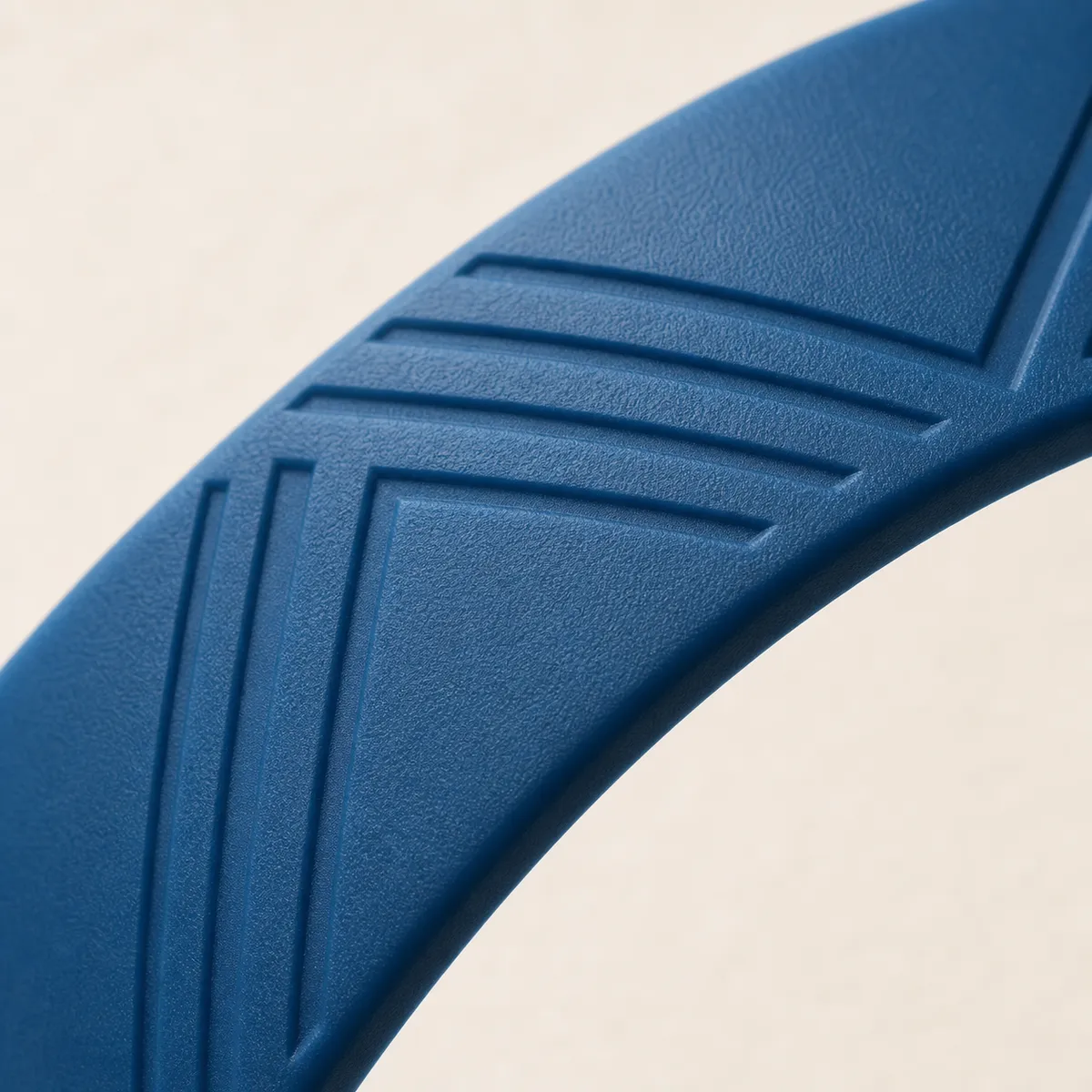
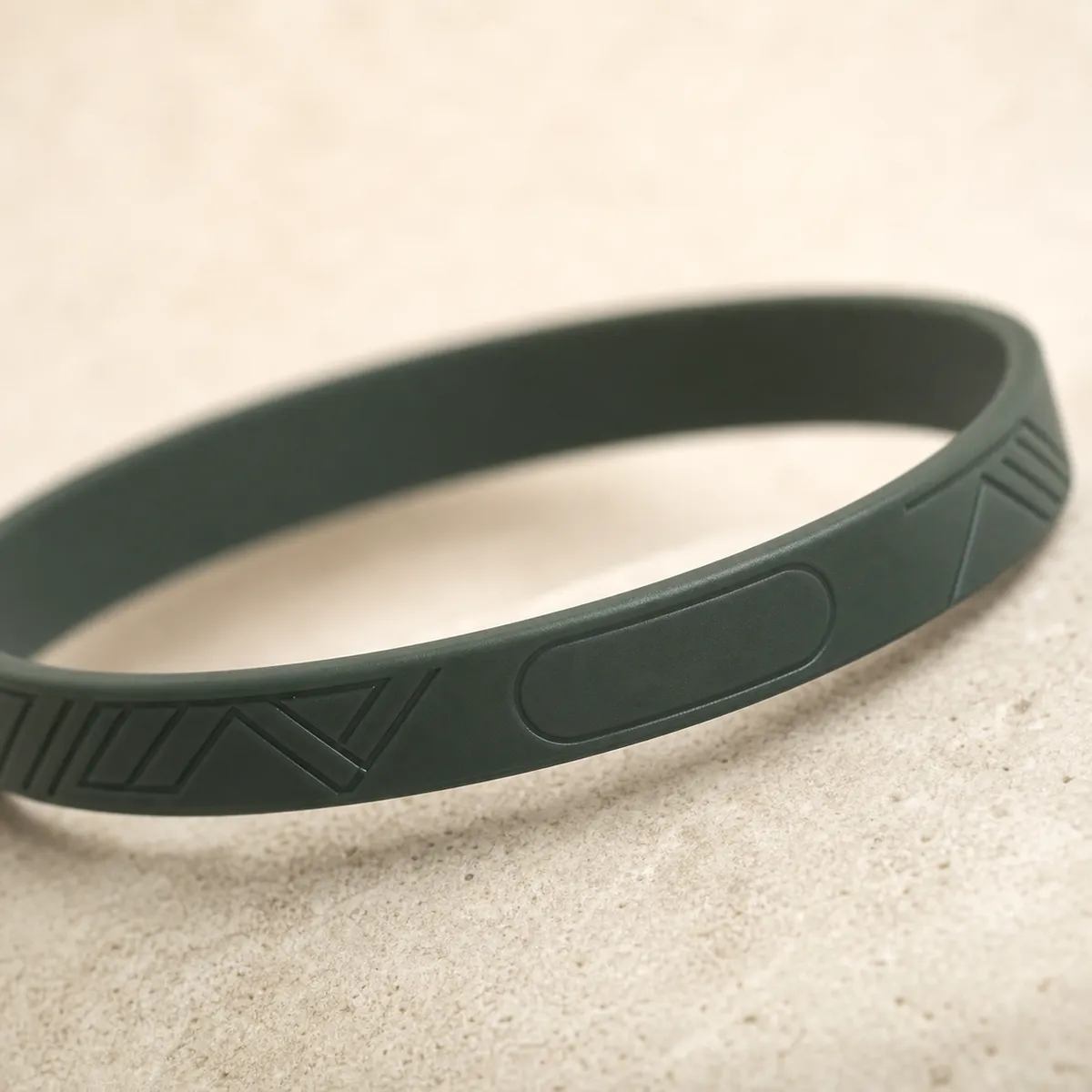
Solid silicone, moulded in one piece, with the artwork cut into the band rather than printed on top of it. Sun cream and salt water are what end most wristbands early at a beach property, and silicone resists both.
| Material | Solid moulded silicone, 100% |
|---|---|
| Sizes | Child, adult, adult wide |
| Closure | Continuous loop or adjustable slider |
| Water | Suitable for pool and sea use; not affected by sun cream |
| Branding | Debossed, embossed, or screen-printed |
| Colours | Matched to a supplied reference |
| Wear period | A full season |
| Minimum run | 500 bands |
| Lead time | 18 days production, after artwork approval |
Materials
Supplied in silicone or vinyl. Each behaves differently against salt water, chlorine and sun cream — the material pages say plainly where each one fails.
FSC-certified material options available with supporting production documentation.
Substrates
Available in silicone and vinyl.
The construction is fixed; the substrate is the decision. This is where wear period, water behaviour and unit price are actually settled.
Moulded elastomer
Silicone
Solid moulded elastomer. Not affected by salt water, chlorine or sun cream, which is what actually ends most wristbands.
Material specificationFlexible PVC
Vinyl
Flexible PVC with a snap closure. Cheap, waterproof, and honestly worse than silicone for anything long.
Material specificationDebossing, screen printing, and which one survives the season
Debossing cuts the artwork into the mould, so the logo is a shape in the material rather than a layer sitting on it. There is nothing to scratch off, nothing to fade and nothing to peel. Pigment is mixed through the material before moulding, so a scuffed band shows the same colour underneath rather than a pale patch. On a wrist that is worn every day from May to September, this is the only branding method that looks the same at the end as it did at the start.
Screen printing exists for the case debossing cannot answer: a colour the band is not. A white mark on a navy band, or a two-colour property logo, has to be printed. The trade is abrasion. Printed ink sits proud of the surface and wears at the high points first — the outer face and the area around the closure, where the band meets a bag strap or the arm of a lounger. Over a week that is invisible. Over a season on a working wrist it shows, and it shows unevenly, which looks worse than uniform fading.
Embossing raises the artwork instead of cutting it. It reads well on a wide band and badly on a narrow one, because a raised mark on a 12 mm band has nowhere to sit. The working rule: deboss anything that has to last, screen print where the colour is the point, and ask for the physical sample before a season’s run is committed either way.
Hardness is the specification nobody asks about and the one that decides whether a band is still being worn in week ten. We supply at 50 Shore A — firm enough to hold a clean debossed edge, soft enough that a guest stops noticing it. Colour is matched to a supplied physical reference or a printed swatch rather than to a screen value, because a match taken from a hex code alone is usually visibly off on a brand colour.
What it is used for
- Long-stay and all-inclusive guests
- Staff identification by department colour
- Kids’ club and lifeguard zone marking
- Spa and gym membership for the season
What ships with the order
- Material declaration for the substrate supplied
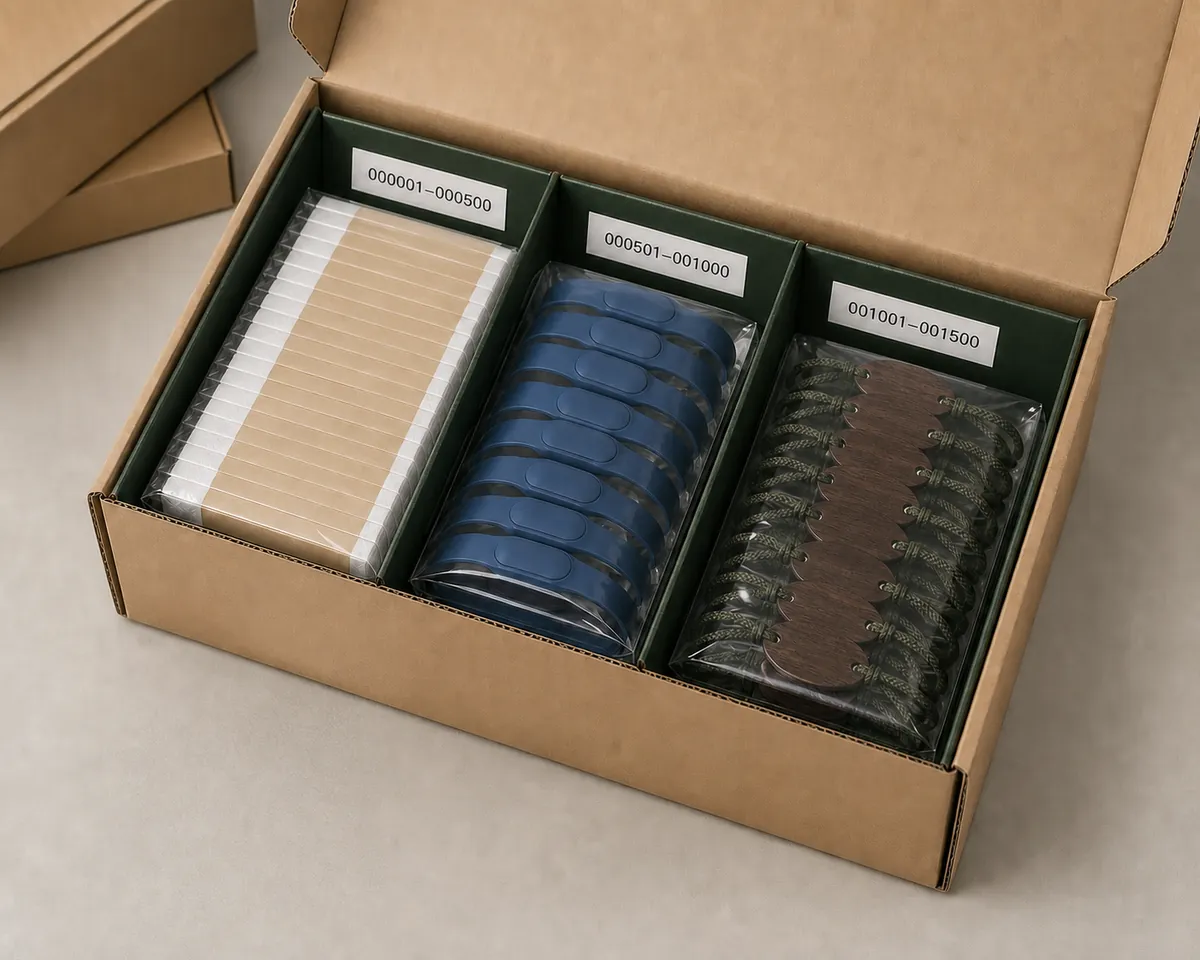
- Batch and quantity reconciliation per carton
- Artwork proof as approved, for your records
FSC-certified material options available with supporting production documentation.

No obligation · reply within one working day
Price silicone wristbands at your volume.
Runs start at 500. Send the quantity and the season length and we come back with a unit price, a delivery date, and samples of the recommended substrate.